A visitor’s Guide to Toronto Weather and Mosquito Control in Canada
What Toronto weather feels like by season
Toronto weather can change fast and shape your whole trip. The city has a true four-season Toronto climate, and each one changes how you pack, walk, and plan time outside. Toronto seasons bring wet springs, sticky summers, bright fall days, and winters that can feel sharper than the temperature shows.
The average temperature Toronto travelers notice depends on the month, but the bigger story is the swing. A mild morning can turn into a cold evening, and a clear day can shift into drizzle or snow. That is why travel planning in Toronto works best when you check the forecast before you head out, not just before your flight.
Think in terms of seasonal weather, not one fixed number. Spring often feels damp and windy. Summer brings heat, humidity, and busy sidewalks. Fall is crisp and comfortable, with strong walking weather. Winter can be bright and beautiful, but snow, ice, and wind chill can change your plans fast.
Seasonal change in Toronto, from showers to mild afternoons
Toronto spring weather tends to start cool and remains hard to predict. March can still feel like winter, while April and May bring milder afternoons, sudden showers, and more time outside. This is the season when many travelers learn how much rainfall in Toronto can affect a day. A light rain can turn into a long stretch of wet sidewalks, so a rain jacket helps more than an umbrella on windy days.
Wind in Toronto is part of the spring experience. Streets near the lake feel colder than inland blocks, and gusts can make a mild day feel several degrees cooler. Downtown Toronto can also feel damp after rain because Lake Ontario pulls moisture into the air and keeps the waterfront cooler longer than parts of the city farther north.
Spring is a good season for museums, markets, and neighborhood walks, but you should keep a flexible schedule. If you are planning a trip to the waterfront, the islands, or the Distillery District, check the forecast for precipitation and temperature swings. A morning that starts with clouds can still end with a bright late afternoon along the lake.
Warm months in Toronto, heat, humidity, and mosquitoes
Summer weather in Toronto is hot, active, and often humid. Heat builds in the city, and the humidity in Toronto can make a 28 C day feel heavier than the number suggests. Near Lake Ontario, the lake effect adds more moisture, especially along the waterfront and on hot evenings. That matters for strolling, patios, ferry rides, and long festival days.
Summer is also the main stretch for Mosquitoes in Canada. In southern Ontario, Mosquito season Canada usually starts in late spring and runs through early fall. After rainfall, warm evenings, and still air, mosquito activity rises fast. If you are staying near parks, ravines, cottage areas, or wet green space, bring mosquito repellent and plan for extra time outside at dusk.
Toronto summer travel also means bigger crowds. Festival season fills downtown hotels, parks, and event spaces, so book early if you want a short walk to the waterfront or major venues. A good packing list for summer should include light clothing, a hat, sunscreen, water, and one layer for cooler nights near the lake.
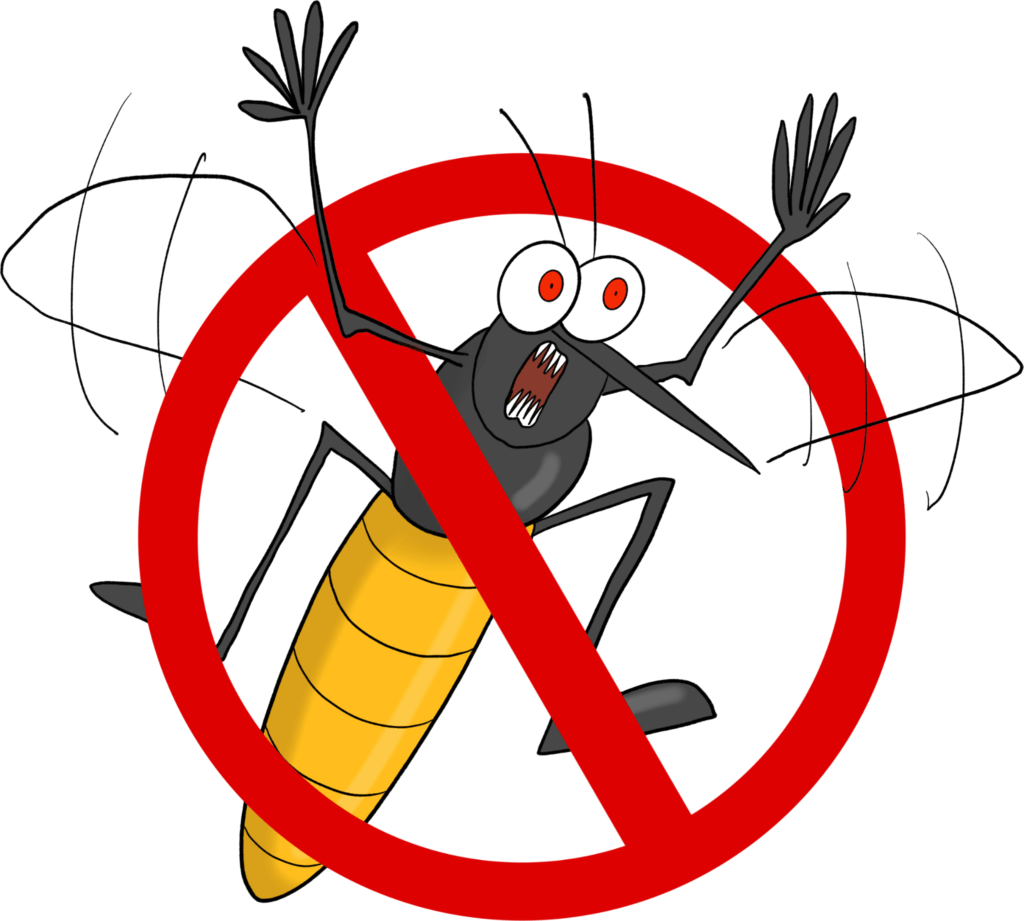
Why mosquitoes get worse near parks and water
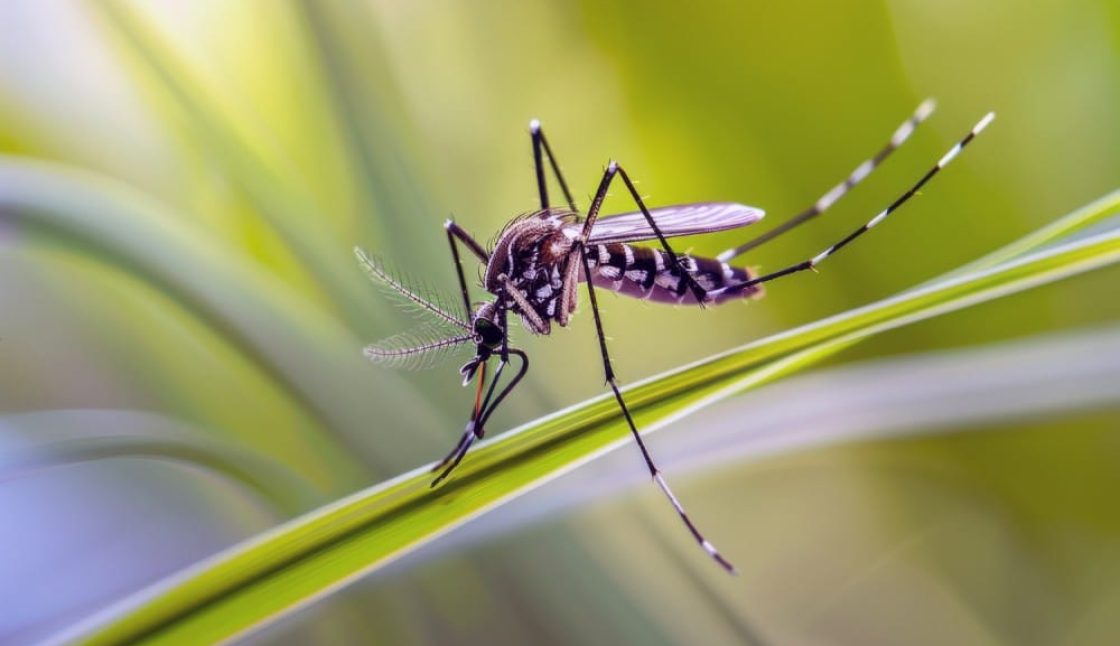
The reason comes down to habitat and temperature. A Mosquito map Canada search often shows more activity near wet areas, shaded parks, marshes, and low-lying neighborhoods. Mosquitoes need standing water to breed, and they stay active when the Mosquito temperature range Celsius lines up with warm evenings and mild nights. Once the air settles, mosquitoes can rise in large numbers, which is why people sometimes talk about a Canada mosquito swarm after heavy rain or near still water.
In Toronto, this shows up around trails, ponds, and the shoreline. The waterfront can feel pleasant during the day, then much more active at dusk. If you are planning a picnic or a sunset walk, bring repellent and cover exposed skin. Small steps make a real difference when outdoor exposure lasts into the evening.
Autumn in Toronto, cool air and packed travel weeks
Toronto autumn weather is one of the easiest seasons for travel. September often stays warm, October turns crisp, and November can move quickly toward cold rain and early snow. Many visitors come for Toronto leaf season, when city parks and nearby drives show bright color. It is also a busy time for conferences, sports, and weekend city breaks, so hotels and transit can feel full.

Fall is great packing for Toronto season because mornings and evenings can feel very different. You may need a light sweater in the afternoon and a coat by night. Cool evenings are common once the sun drops, especially near Lake Ontario and along open streets where wind moves freely between buildings.
This is a smart season for layered outfits, comfortable shoes, and a backup indoor plan. A food hall, gallery, or theater can save a rainy afternoon. If you want long walks through neighborhoods like Kensington Market, Queen West, or the Annex, check the forecast and dress for changing temperature.
Winter in Toronto, snowfall, ice, and indoor plans
Toronto winter weather can be bright and clean after a snowfall, but it can also be harsh. Snow in Toronto is frequent, and the city gets regular freeze-thaw cycles that create slush, icy sidewalks, and wet boots. The temperature alone does not show the full picture. Wind chill can make a clear day feel much colder, especially near open water and downtown corridors where wind moves between tall buildings.
Ice storms also matter in Toronto and across southern Ontario. They can bring slick sidewalks, transit delays, and power issues. Travelers should keep one indoor backup for every outdoor plan, especially in January and February. A museum visit, a hockey game, or a cafe stop can fit into the day if the weather turns rough.
Winter travel in Toronto works best with warm socks, waterproof boots, gloves, and a coat that handles both snow and wind. If you are walking between Union Station, the Entertainment District, and the financial core, build in extra time. Cold weather slows everyone down.
How to pack for Toronto, month by month
Toronto weather by month varies enough that one suitcase style will not work all year. January needs thick jackets, winter boots, and cold-weather accessories. April may need light rain gear and a lighter coat. July often means airy outfits, but air conditioning indoors can make a thin sweater useful. October sits in the middle, where mornings can feel chilly and afternoons stay comfortable.
Good packing starts with layers. Layers make it easy to adjust as the weather shifts. Add a rain jacket for spring and fall, since rainfall in Toronto can arrive with little warning. Bring comfortable walking shoes for sidewalks, transit stations, and long city blocks. Toronto is very walkable, but only if your shoes can handle wet pavement, summer heat, or a slushy curb.
If your trip includes more than one season, pack for local weather instead of a one-size-fits-all Canada trip. A May weekend can still feel cold in the morning, while an August evening by the lake can feel sticky. Check the temperature, humidity, and precipitation forecast before you leave each day.
Mosquito control in Canada for homes, cabins, and rentals
Mosquito control in Canada is important for travelers, renters, and homeowners alike. If you are staying in a Toronto house, a cottage outside the city, or a short-term rental near green space, mosquito pressure can build quickly after rain. Good control starts with removing standing water, sealing gaps, and using Mosquito control devices that suit the space. Fans, traps, and screened areas can all help cut bites.
For property owners, a Monthly pest control service can make sense during the warm months. In Ontario, Pest control cost Ontario usually depends on property size, yard conditions, treatment frequency, and how bad the infestation is. A smaller home in the GTA may get a lower quote than a cabin with dense trees and water nearby. Ask what the service includes, how often visits happen, and whether follow-up treatment is part of the plan.
If you search Mosquito control near me, you will see local companies, national brands, and seasonal service packages. Compare what each provider does for the yard, the perimeter, and breeding sites. A real plan should fit the property, not just promise quick spray-and-go treatment.
What Canadian mosquito services usually cost
Price questions come up fast, especially if you are comparing brands by phone. Mosquito Hero cost can vary by city, yard size, and visit schedule. Some customers read Mosquito Hero reviews to compare service quality, response time, and whether treatments hold up through peak mosquito season. If you need direct contact, people often search for the Mosquito Hero phone number to ask about quotes and service areas.
Orkin Canada cost is also quote-based in many cases. Home size, pest pressure, and service plan all affect the price. A one-time visit and an ongoing plan will not cost the same, and a larger yard near water can raise the total. If you want a better estimate, ask about seasonal visits, whether mosquito treatment is bundled with other pest work, and what happens if rain affects the schedule.
Reviewing local pest control options in Ontario
Orkin pest control remains a well-known name for many Ontario homeowners, but it remains only one option. Orkin prices may shift based on the sort of pest treatment you need and how often the technician visits. Weedman mosquito control is another name people look at, especially for lawn and yard-focused service in suburban areas.
When you review companies, look at the full picture, not just the first quote. Ask whether the plan covers breeding-source checks, retreatment, and seasonal follow-up. A lower starting rate can go up once you add more visits or larger treatment zones. That is why people often compare Pest control cost Ontario across at least two or three providers before they book.
Are Canadian mosquitoes dangerous to travelers?
Mosquito bites in Canada is one of the most common visitor questions. Most bites are irritating, not serious. Still, Mosquitoes in Canada can carry health concerns in some regions, and bites can ruin a trip by causing itch, swelling, and lost sleep. The main risk for most travelers is irritation, not a major medical event.
Public health advice from Mosquito control government sources usually focuses on bite prevention, standing-water reduction, and outdoor safety during active months. Mosquito Canada information often points to repellents, long sleeves at dusk, and screens for cabins or rentals. If you are near marshes, wooded trails, or waterfront areas, treat the risk with care. A few small precautions can prevent a lot of hassle.
For most Toronto visitors, mosquito control is about comfort and timing. Dusk walks by the lake, patio dinners, and park picnics are still worth doing. Just plan for bite prevention when the air is warm and still.
Best times to visit Toronto for weather and fewer bugs
The best time to visit Toronto depends on what you want most. If you want easy walking weather and fewer insects, late spring and early fall often work well. This shoulder season balance gives you milder temperatures, manageable crowds, and more predictable days than deep summer or midwinter.
For bug control, aim for low mosquito activity periods when evenings are cooler and drier. Early May can still be too cold for heavy mosquito pressure, while late September often brings fewer bites than July. If you want beaches, patios, and live events, summer gives you the most energy, but also the most humidity and mosquito pressure.
Festival season Toronto draws big crowds in summer and early fall, so book ahead if your trip centers on concerts, street festivals, or waterfront events. If your main goal is comfortable city exploring, shoulder season usually gives you the best mix of weather, easier packing, and less time worrying about bugs.
Common Questions
How much does monthly mosquito control cost in Toronto and Ontario?
Monthly service usually depends on yard size, how many visits you need, and how close the property sits to water or dense plants. In Toronto and nearby Ontario areas, monthly plans can start with basic seasonal treatment and climb to higher quotes for larger properties. Ask if the estimate includes retreatment after rain and whether the company handles both adult mosquitoes and breeding-source checks.
What mosquito insecticide works best for Canada?
The best choice depends upon the area and the goal. For residences and rentals, a lot of people use products approved for Canadian use on outside surfaces or in specific yard treatments. If you want a faster result, ask a licensed provider which product fits the property and local regulations. Always check the label and think about children and pets.
How much do exterminators cost in Canada?
Rates differ by province, pest type, and service schedule. A single visit usually runs cheaper than an recurring plan, and bigger homes or trouble spots increase the cost. In Ontario, mosquito and general pest treatment often depends on the size of the property, the amount of outdoor exposure, and whether follow-up visits are included.
Do I need mosquito repellent in Canada?
Absolutely, if you plan to be outside during hot weather, especially near lakes, parks, or at dusk. In Toronto, bug spray helps during warm nights, spring trails, and late-day patio time. It is a small purchase that can keep your outing from lots of itching.
How much does mosquito control cost per month?
Monthly rates depends on the level of service and the property. A compact city yard will often be less expensive than a larger suburban lot or a cottage near standing water. Get a quote that shows the number of visits, the treatment area, and whether the plan includes follow-up visits if mosquito pressure stays high.
What is the best mosquito repellent device in Canada?
The best option depends on where you are staying. Fans work well on patios, screened areas help at cabins, and some traps can lower activity in specific yards. For travel, a compact option that fits your packing list is usually the easiest choice. Pair the device to the space instead of buying the largest one.
How much does mosquito killer cost?
That depends on what you mean by mosquito killer. Compact consumer traps and sprays can cost less than professional treatment, while recurring yard service costs more but covers a larger area. If you want a fair comparison, look https://mosquitoman.ca/ at the size of the space, how long you need protection, and whether the product or service is approved for use in Canada.
What’s the average cost of mosquito control?
The average cost changes by region and property type, so there is no single number that fits every case. In Toronto and Ontario, ask for a written estimate that explains seasonal treatment, visit frequency, and any extra charges. This gives you a more useful answer than a broad national average.
Mosquito Man Toronto
224 King St W #2401, Toronto, ON M5J 0A6, Canada
+1 647-243-7241
https://mosquitoman.ca/pest-control/toronto/
43.6475305, -79.3873341